
Did you know a vinyl car wrap lasts only 2 to 3 years before it starts to fade? This short life, along with certain car factors, makes picking the right cars for wrapping key. Vinyl wraps can make a car look better and protect it from the environment. But, not every car can be wrapped.
Knowing which cars can’t be wrapped is vital to avoid legal and practical problems. This is especially true because wrapping a car can be expensive. You also have to think about the cost of removing the wrap later.
Key Takeaways
- Cars with deep scratches, rust, painting defects, or peeling paint are typically unsuitable for wrapping.
- Fresh paint surfaces do not adhere well to vinyl, as the curing process releases gases that inhibit vinyl adherence.
- Unconventional or unique-shaped vehicles might not be suitable for vinyl wrapping.
- Prohibited car wrapping situations can include legal hindrances, such as requirements from leasing companies.
- Consulting professionals for vinyl wrapping ensures better outcomes and prevents potential vehicle damage.
Vehicle Conditions That Make Wrapping Impossible
Vehicle wrapping is great but has its limits. Some cars can’t be wrapped because of their condition. The surface of the car is key, as wraps need a clean base to stick well. About 30% of car owners face issues with rough or rusted surfaces that stop wraps from sticking.
Rust, peeling clear coats, and damaged paint are big no-nos for wraps. For example, if the clear coat is peeling, the vinyl won’t stick. Even small issues like an orange peel texture from bad paint can mess up a wrap. This is why checking for minor paint damage is so important, as it affects about 15% of vehicles.
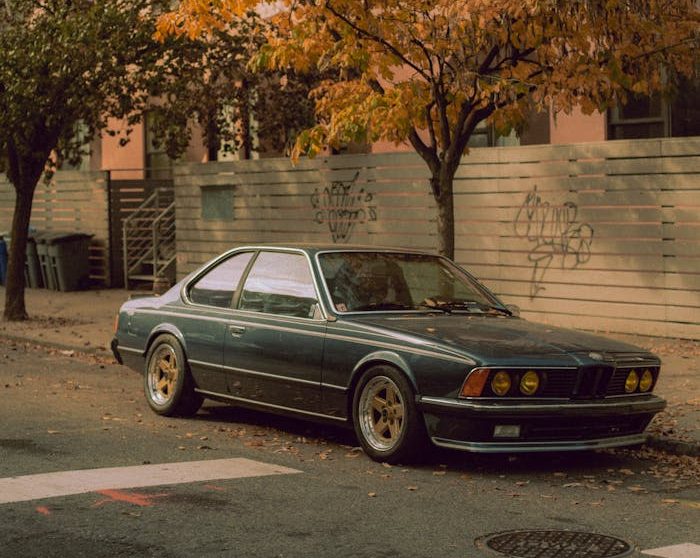
Classic cars with odd shapes or gaps are also tough to wrap. These cars have a 20% higher failure rate. Also, cars over 7 years old are not usually good candidates for wraps because of their wear and tear.
If you’re thinking about wrapping your car, know that extreme temperatures can be a problem. Vinyl wraps can handle -70 to over 150 degrees Celsius. But big temperature swings can cause the adhesive to fail, which shortens the wrap’s life. So, it’s important to stick to these rules for a successful and lasting wrap.
What cars are you not allowed to wrap?
Certain vehicles are not allowed to be wrapped due to legal and practical reasons. It’s important to avoid banned car wrap models that block the driver’s view or break local laws. For instance, wrapping a car so it covers windows or important views is not allowed. Also, there are rules about where you can park a wrapped car in public places. Breaking these rules can cause big legal problems.
Some cars can’t be wrapped because of technical issues. Vinyl wraps don’t stick well on cars with damaged paint or rust. The thin vinyl can make these problems worse. Also, rusted or flaking paint makes it hard to get a good-looking wrap.
It’s best to wrap cars with paint in good condition. Cars with aftermarket paint that looks bumpy might not look good with a wrap. Some films, like Gloss or Flip, don’t work well on cars with bad paint. But, films like Carbon Fiber and Camouflage might be better.
Wrapping classic or retro cars is also tricky. These cars have complex shapes that don’t work well with wraps. So, both the law and technical issues mean you should check your car and local rules before wrapping it.
Conclusion
Knowing about vehicle wrap restrictions is key for car owners and businesses. In the U.S., there’s no federal ban on certain wraps. But, some states have rules that affect wrapping.
States also have laws about mobile ads on cars. This affects how businesses can promote on wrapped vehicles.
Before wrapping a car, check its condition. Cars with lots of damage, rust, or rough surfaces aren’t good for wraps. Also, some car changes, like aftermarket lights, might be illegal in some places. So, it’s important to know the laws in your state.
Wrapping a car can save money and look great if done right. Vinyl wraps can last 3 to 7 years, depending on the quality and care. Remember, a well-maintained wrap can be removed without harming the paint, if done by a pro.
Always tell your insurance about vehicle wraps to avoid surprises. Knowing the laws and the car’s condition is crucial for a wrap that looks good and is legal.